


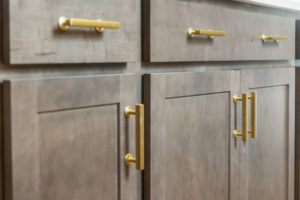
When you’re planning a kitchen remodel, selecting the right kitchen color palettes is more than just picking pretty paint.
When you’re planning a kitchen remodel, selecting the right kitchen color palettes is more than just picking pretty paint, it’s about creating a cohesive space where cabinets, walls, flooring, and finishes all harmonize. A well-chosen palette can make your kitchen feel bigger, warmer, more modern, or more traditional depending on your style. Read on to learn more!
Start with Your Kitchen Style
Before diving into colors, consider the overall design style you want. Kenwood Kitchens offers a range of styles, from classic and traditional, to contemporary, transitional, farmhouse, or modern.
- For a classic or traditional kitchen, warm wood tones, off-whites, creams, or soft neutrals often work beautifully. These palettes emphasize timelessness and comfort.
- A contemporary or modern kitchen usually benefits from cleaner, sleeker palettes — think cooler neutrals, crisp whites, charcoal, or even bold contrasts.
- For a transitional kitchen (blending traditional warmth with modern simplicity), neutral cabinetry paired with subtle pops of color or natural materials can strike the right balance.
Identifying your kitchen’s style first helps guide your color choices, ensuring each element works together rather than competes.
Cabinets: The Foundation of Your Palette
Cabinet color (and material) often sets the tone for the whole kitchen. At Kenwood Kitchens, the cabinetry options are extensive, from classic woods (maple, cherry, walnut, oak) to specialty veneers and laminates.
- Warm wood cabinets (walnut, cherry, maple) add richness and depth, ideal for traditional or farmhouse kitchens.
- Painted or laminate cabinets — such as whites, soft greys, or contemporary neutrals — can brighten the space and make it feel larger, especially in smaller kitchens or modern layouts.
- Don’t be afraid to go for a two‑tone look: lighter perimeter cabinets with a darker island, or lower cabinets in a darker stain and upper in a lighter paint. This adds depth and some visual interest while keeping things cohesive.
Walls and Backsplashes Complement, Don’t Compete
Wall and backsplash colors should support, not compete with, your cabinetry. If you go with rich, warm wood cabinets, lighter wall colors (soft whites, warm creams, gentle grays) balance the heaviness and keep the space feeling open. For painted or light-colored cabinets, you can add more contrast with slightly deeper wall hues, or choose interesting backsplash materials, such as accent tile, natural stone, or patterned backsplashes. Kenwood Kitchens even recommends full‑height stone or quartz backsplashes for a seamless, elegant look.
If you want a pop of personality, consider a subtle accent wall or colored backsplash, perhaps in a soft pastel, or a muted blue‑green, depending on your style.
KITCHEN AND BATH REMODELING FROM KENWOOD KITCHENS
Ready to get started on your next kitchen, bathroom, or closet project? Kenwood Kitchens can help. Since opening its doors in 1974, Kenwood Kitchens has made a name for itself throughout Maryland as a complete kitchen and bathroom remodeling firm. We want our clients to get what they deserve: a quality installation with quality products at a fair price. Contact our expert planners today for a free consultation about your dream project.