


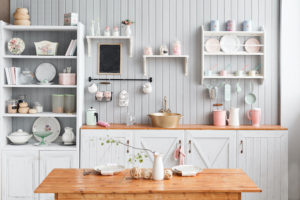
Mixing and matching kitchen styles allows you to create a space that reflects your personality while still functioning beautifully for everyday life.
Choosing from today’s many kitchen styles can feel overwhelming. Do you love the warmth of farmhouse design, the clean lines of contemporary kitchens, or the timeless appeal of transitional spaces? The good news is, you don’t have to choose just one. Mixing and matching kitchen styles allows you to create a space that reflects your personality while still functioning beautifully for everyday life. Read on to learn more!
Start with a Primary Kitchen Style
When blending kitchen styles, it’s important to begin with one dominant style. This serves as the foundation for your design and keeps the space from feeling chaotic. Transitional kitchens are often the easiest starting point because they naturally blend traditional and modern elements. From there, you can layer in farmhouse charm or contemporary details without overwhelming the room. For example, a transitional layout with clean cabinetry and neutral colors can easily accommodate rustic farmhouse accents or sleek, modern finishes.
Balance Materials and Finishes
One of the most effective ways to mix kitchen styles is through thoughtful material selection. Farmhouse kitchens often feature natural wood, while contemporary kitchens lean toward polished surfaces like quartz or stainless steel. Combining these elements, such as wood accents paired with smooth countertops, creates contrast while maintaining harmony. To keep different kitchen styles cohesive, limit your materials to two or three main finishes and repeat them throughout the space. This repetition ties everything together visually.
Use Cabinetry as a Style Anchor
Cabinetry plays a major role in defining kitchen styles. Shaker-style cabinets, for instance, work well in both farmhouse and transitional kitchens, while flat-panel cabinets lean more contemporary. Mixing cabinet styles, like pairing classic perimeter cabinets with a sleek, modern island, adds depth without sacrificing cohesion. Color can also help unify mixed styles. Neutral cabinet tones like white, greige, or soft gray create a flexible backdrop that allows other design elements to shine.
Blend Lighting and Hardware Thoughtfully
Lighting and hardware are ideal places to introduce secondary kitchen styles. A modern kitchen can be softened with farmhouse-inspired pendant lights, while a farmhouse space can feel more updated with streamlined cabinet hardware. The key is moderation, pick a few statement pieces rather than mixing too many competing styles.
Keep Functionality Front and Center
While aesthetics matter, functionality should always guide your decisions. The best mixed kitchen styles combine beauty with practical layouts, smart storage, and durable materials. A well-designed kitchen should support how you cook, gather, and live, no matter which styles inspire you most.
KITCHEN AND BATH REMODELING FROM KENWOOD KITCHENS
Ready to get started on your next kitchen, bathroom, or closet project? Kenwood Kitchens can help. Since opening its doors in 1974, Kenwood Kitchens has made a name for itself throughout Maryland as a complete kitchen and bathroom remodeling firm. We want our clients to get what they deserve: a quality installation with quality products at a fair price. Contact our expert planners today for a free consultation about your dream project.